
Phase 2 · Day 2–4
The Science
Goal: gain a confident, layperson-level overview of nitric oxide, the endothelium, and the research behind it. You don't need a science degree — just enough to have a meaningful conversation.

The cardiovascular system (the basics)
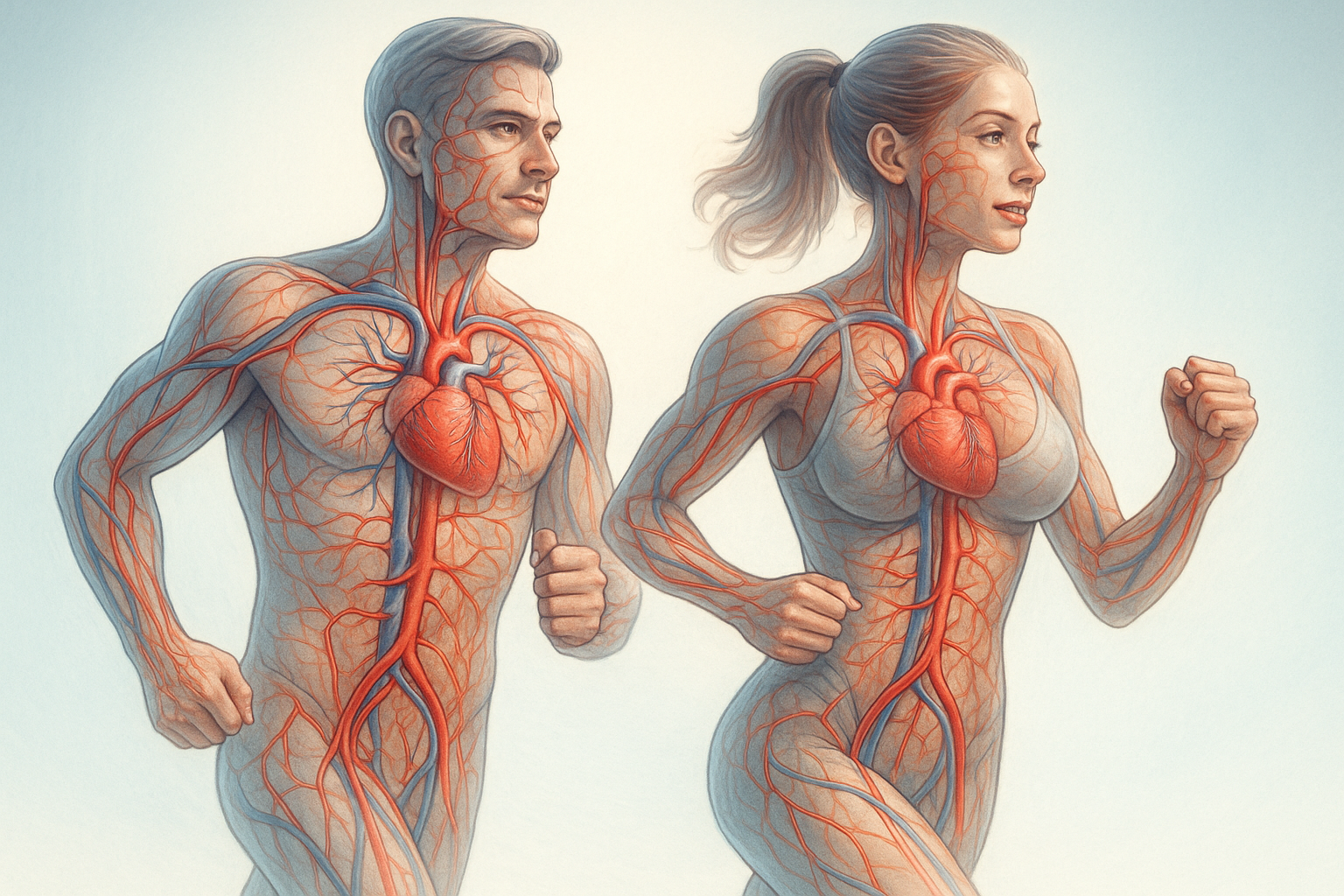
Your cardiovascular system is the body's delivery network: heart, blood vessels, and the blood that carries oxygen and nutrients to every cell. When blood flow is healthy, energy is high, recovery is faster, and the brain, heart and muscles all benefit.
- Arteries carry oxygen-rich blood away from the heart.
- Veins bring blood back.
- Capillaries are where the magic happens — the exchange.
- Blood flow is the single biggest predictor of how you feel.
The endothelium — your hidden organ
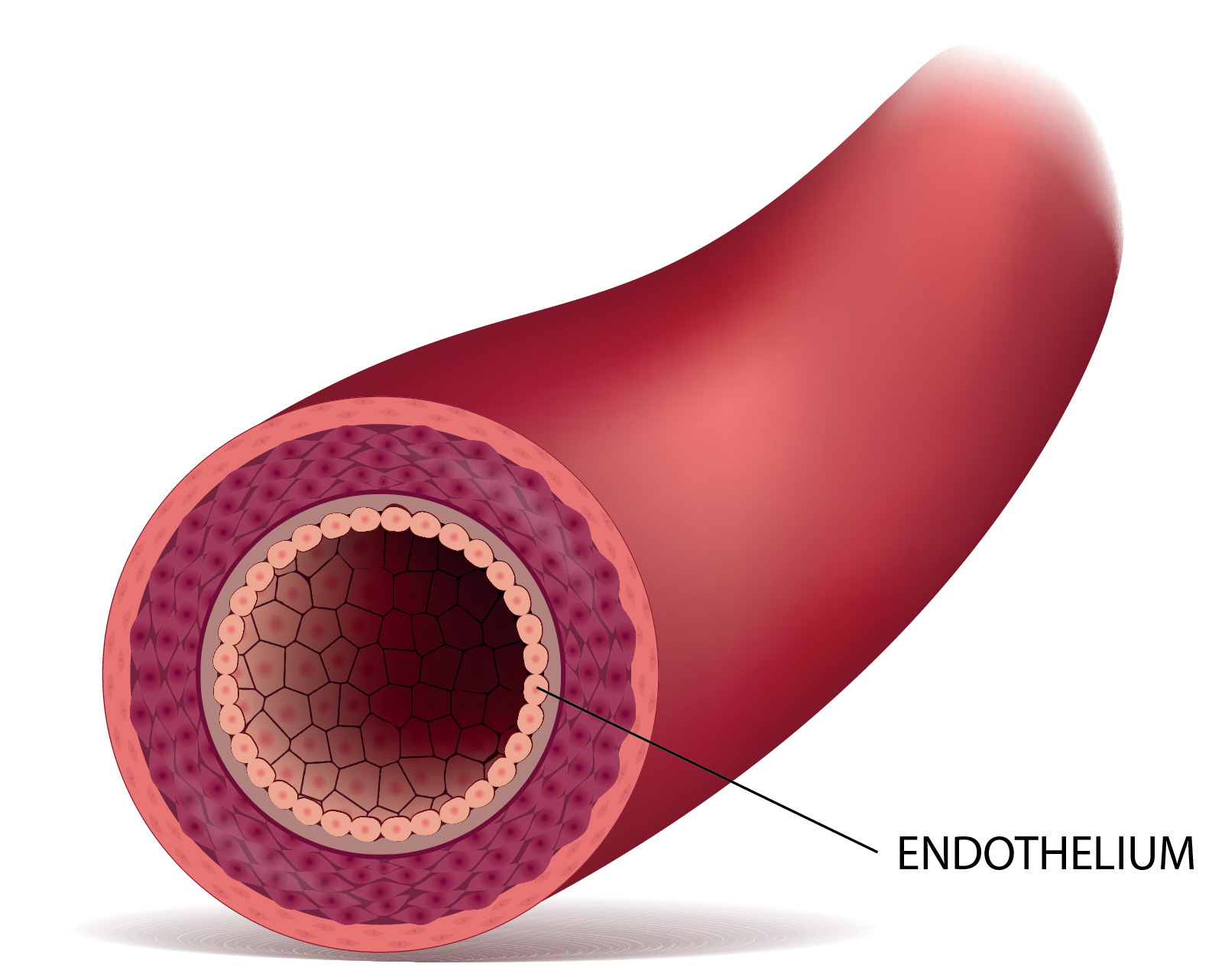
The endothelium is a thin layer of cells that lines the inside of your blood vessels and arteries. Although most people have never heard of it, it plays a vital role in your health by helping regulate blood flow, circulation, oxygen delivery and overall cardiovascular function.
One of its most important jobs is producing nitric oxide, a natural molecule that helps blood vessels relax and stay flexible. As we age, the endothelium can become less efficient, which may affect circulation and overall wellness. Supporting healthy endothelial function is therefore considered an important part of maintaining long-term cardiovascular health and vitality.
Healthy endothelium = healthy blood flow. A stressed endothelium is the root of most cardiovascular decline.
Nitric oxide — the “miracle molecule”
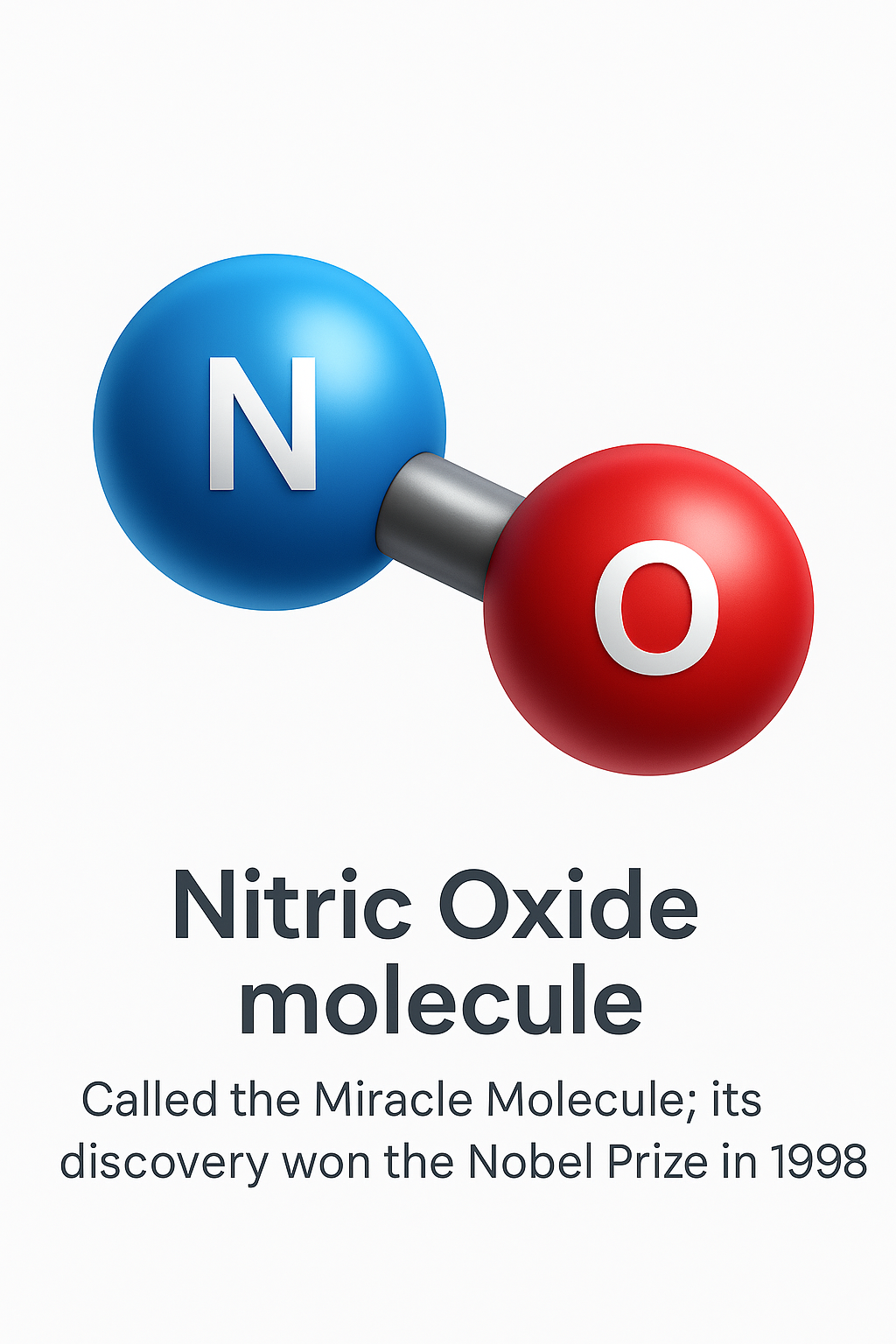
Nitric oxide (NO) is a tiny signalling molecule produced by your endothelium. It tells your blood vessels to relax and open — a process called vasodilation — so blood flows more freely to wherever it is needed.
More nitric oxide → better blood flow → better oxygen delivery → better energy, recovery, focus and cardiovascular function.
Conversational version: “Your body naturally makes a tiny molecule called nitric oxide that helps blood vessels relax and support healthy circulation. The eNOS enzyme helps your body produce nitric oxide as part of normal cardiovascular function.”
How nitric oxide actually works in the body
NO is made on demand inside the endothelial cells from the amino acid L-arginine (and its more efficient precursor, L-citrulline) by an enzyme called nitric oxide synthase. Once released, it diffuses into the smooth muscle around the vessel and signals it to relax. The vessel widens, pressure eases, and oxygen-rich blood reaches tissues that were under-served.
- Acts within seconds and breaks down within seconds — your body must keep making it.
- Supports healthy blood pressure, circulation, stamina and recovery.
- Plays a role in immune signalling and how the brain communicates.
The 1998 Nobel Prize — when NO became mainstream science
In 1998 the Nobel Prize in Physiology or Medicine was awarded to Dr Louis Ignarro, Dr Robert Furchgott and Dr Ferid Murad for discovering that nitric oxide acts as a signalling molecule in the cardiovascular system. Before this, no one believed a gas could be a messenger inside the body. The discovery rewrote cardiovascular medicine.
This is one of the most powerful credibility points you can share in conversation: “The science behind it won a Nobel Prize.”
The leading voices & key references
For Affiliates who want to read further, these are the names worth knowing:
- Dr Louis Ignarro — Nobel laureate. Author of NO More Heart Disease — the most accessible mainstream book on nitric oxide and cardiovascular health.
- Dr John Cooke (formerly Stanford University, now Houston Methodist) — author of The Cardiovascular Cure. Pioneered much of the clinical research on endothelial function and L-arginine therapy.
- Dr Nathan Bryan — leading modern researcher on dietary nitric oxide pathways and oral microbiome contributions to NO.
- Dr Robert Furchgott & Dr Ferid Murad — co-Nobel laureates whose original work uncovered the signalling pathway.
Additional Research & Educational Resources
- Nobel Prize in Physiology or Medicine (1998) — Overview of the discovery of nitric oxide as a signaling molecule in the cardiovascular system.
- Mayo Clinic – Nitric Oxide Explained — Overview of nitric oxide and its role in blood vessel function and circulation.
- Cleveland Clinic – Endothelium & Blood Vessel Health — Plain-English explanation of endothelial function and blood vessel health.
- Harvard Health – Blood Vessel Health — Healthy blood vessels, circulation and cardiovascular wellness.
- Dr Louis Ignarro Official Site — Nobel Prize-winning researcher and author of NO More Heart Disease.
- Dr John Cooke Research & Publications — Cardiovascular researcher and author of The Cardiovascular Cure.
- American Heart Association — General cardiovascular wellness and blood vessel health information.
These resources are provided for general educational purposes to help explain the role of nitric oxide, endothelial function and cardiovascular wellness.
Opened 0 of 3 required links — 3 more to unlock +10 bonus Store Credits.
Why NO declines with age
Several common lifestyle and aging factors are believed to contribute to this decline, including:
- Oxidative stress
- Sedentary lifestyle
- Poor diet and excess weight
- Smoking
- Alcohol
- Chronic stress
- Metabolic decline
- Reduced endothelial function (due to some illnesses and other causes)
- Lack of regular exercise
Over time, these factors can affect the body’s ability to support healthy blood vessel function and circulation.
This is one reason many people over 40 become increasingly interested in supporting healthy nitric oxide production as part of an overall cardiovascular wellness and healthy aging strategy.
Tick to complete this section
Earn 10 Store Credits
Read through the lessons above, then tick this box to confirm you’ve completed the section and unlock your reward.
Up next — locked
Phase 3 · The Product
Now let's look at how we translated this science into a product you can use every day.
Tick the completion box above to continue.